

You’ll want clear answers about wisdom teeth extraction in Playa Del Rey—what to expect, how to prepare, and how to recover with minimal pain. If you’re facing removal, a local dental team using modern techniques can make the procedure safe, comfortable, and predictable, often with sedation options and straightforward aftercare.
They will walk you through diagnosing whether removal is necessary, explain anesthesia choices, and outline step-by-step what happens during the appointment. You’ll also learn practical preparation tips, realistic recovery timelines, common risks to watch for, and how to choose a Playa Del Rey dental team that prioritizes comfort and long-term oral health.
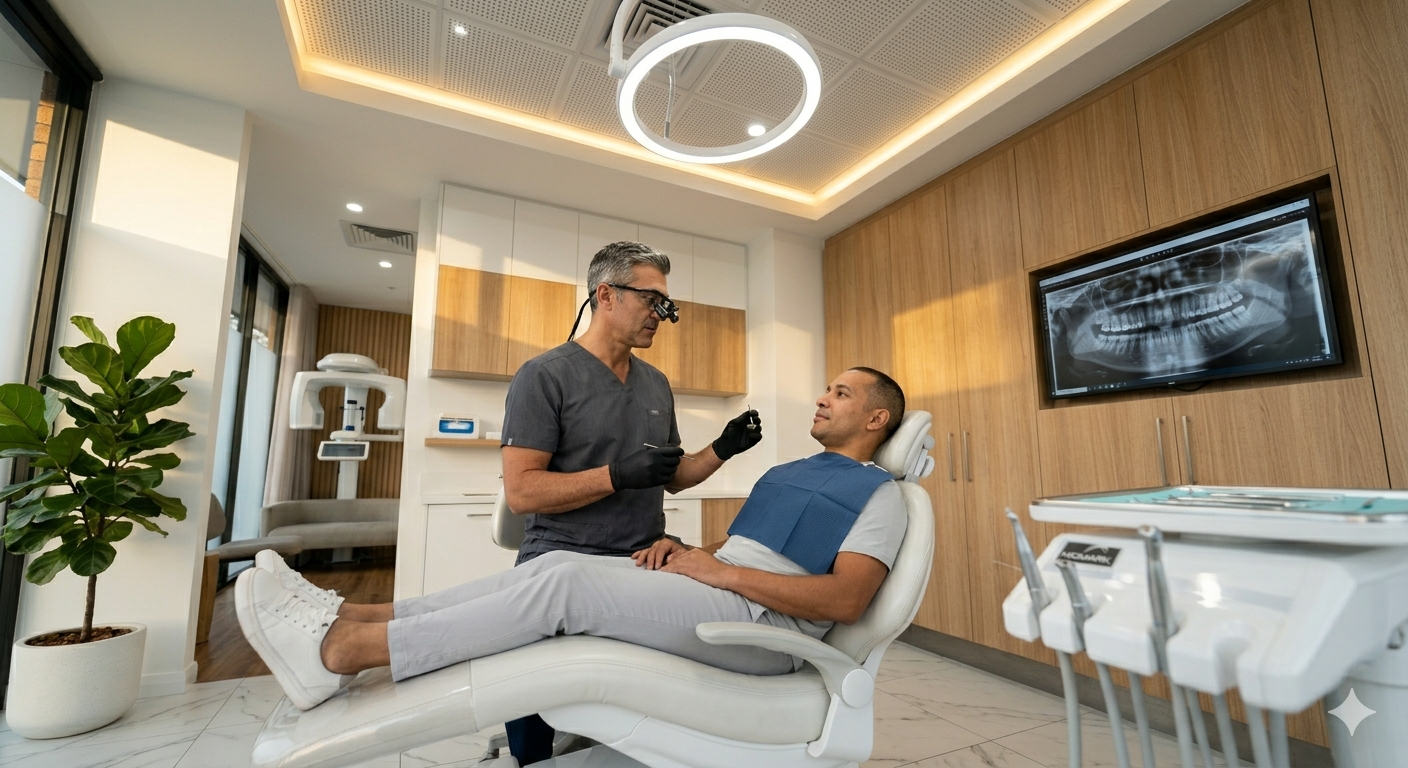
This section explains why dentists remove wisdom teeth, common symptoms indicating removal, and the typical ages when extraction is recommended. It focuses on practical signs, risks, and timing so patients in Playa Del Rey can decide when to consult their dental provider.
Wisdom teeth often erupt with insufficient space, causing crowding or pressure on adjacent molars. Dentists remove them to prevent or treat pain, repeated infections (pericoronitis), decay in hard-to-clean areas, and damage to neighboring teeth.
Impacted wisdom teeth—those trapped in bone or gum tissue—can form cysts or cause bone loss around nearby roots. Removal reduces the risk of orthodontic relapse for patients who had braces and helps when wisdom teeth interfere with proper bite alignment.
Surgeons also recommend extraction when wisdom teeth complicate prosthetic treatment or oral surgery planning. Local or general anesthesia options allow safe removal in-office or at an ambulatory surgical center, with professionals tailoring care to medical history and comfort needs.
Common symptoms signaling extraction include persistent pain behind the last molar, swelling of the gum or jaw, and recurring infection around a partially erupted tooth. Difficulty opening the mouth and bad taste or chronic bad breath from trapped food are also warning signs.
Dentists detect issues during exams and X-rays: impaction angles, proximity to nerves, and decay not visible clinically. If X-rays show cysts, root resorption of adjacent teeth, or bone loss, extraction becomes advisable to prevent worsening damage.
Occasional asymptomatic impacted teeth may still require removal if they pose future risks. The dental team will weigh current symptoms, radiographic findings, age-related healing capacity, and medical factors before recommending extraction.
Most extractions occur between late teens and mid-twenties, when wisdom teeth roots are not fully formed and bone is more forgiving for surgery. This age range typically yields easier recovery, less surgical complexity, and lower complication rates.
Younger adolescents may need removal if X-rays show early impaction or eruption patterns likely to cause problems. Conversely, older adults face higher risk of complications—denser bone, slower healing, and more complex extractions—so dentists often recommend earlier intervention when indicated.
Individual assessment guides timing: orthodontic treatment schedules, recurrent infections, and systemic health factors all influence whether extraction is immediate or monitored. Patients in Playa Del Rey are encouraged to get panoramic X-rays and a personalized recommendation from their dental team.
Patients can expect clear steps to follow before their visit, guidance on what will happen at the consultation, and a short checklist of practical questions to bring. Preparing in advance reduces anxiety, speeds up the appointment, and helps the dentist tailor care to each patient’s needs.
At the consultation, the dentist reviews the patient’s medical and dental history, including current medications, allergies, and any history of bleeding disorders. They will perform a focused oral exam and take panoramic or CBCT X-rays to evaluate tooth position, root anatomy, and proximity to nerves or sinuses.
The clinician explains the recommended extraction approach—simple versus surgical—and discusses anesthesia options such as local anesthetic with nitrous oxide or IV sedation. They outline estimated procedure time, recovery expectations, and potential risks like dry socket or nerve irritation.
Patients should arrive with a list of medications and a recent medical summary if they have complex health issues. Bringing a support person helps when sedation is planned and simplifies post-op transportation and instructions.
Follow fasting rules if IV sedation or general anesthesia is planned: typically no food for 6–8 hours and no clear liquids 2 hours before arrival. For local anesthesia only, eating a light meal beforehand is usually fine to prevent low blood sugar.
Stop blood-thinning supplements only if the dentist or physician advises; common examples include aspirin, warfarin, and certain herbal supplements. Provide a current list of all prescription drugs, especially anticoagulants, diabetes medications, and anti-hypertensives.
Wear loose, comfortable clothing and avoid heavy makeup, jewelry, or contact lenses on the day of sedation. Arrange a responsible adult to drive the patient home and stay for the first 24 hours if sedation was used. Plan soft foods, ice packs, and prescription or OTC pain medication in advance.
Ask which imaging was reviewed and how it affects the approach: “Do the X-rays show roots near the inferior alveolar nerve or the maxillary sinus?” This clarifies risk and technique choices. Ask which anesthesia is recommended and what level of consciousness to expect.
Request specifics about recovery: “How many days until I can return to work or school?” and “What pain control and bleeding management should I use?” Also ask about signs of complications and when to call the office, such as persistent bleeding after 24 hours or temperature above 101°F.
Confirm logistical details: appointment length, sedation consent requirements, cost estimates, and whether the office handles surgical complications or refers to an oral surgeon. Getting clear answers helps the patient leave the consultation confident and ready to proceed.
Extraction in Playa Del Rey typically uses updated techniques to reduce pain and speed recovery. Patients can expect explanations of modern tools, clear anesthesia choices, and a step-by-step surgical sequence that prioritizes comfort and safety.
Dentists and oral surgeons use minimally invasive approaches when possible. They often make small, precise incisions and use surgical elevators and high-speed, irrigation-equipped handpieces to loosen and section teeth rather than applying large forces that increase trauma.
Bone-sparing methods aim to preserve surrounding tissue. When a tooth is sectioned, each piece is removed gently, reducing the need for wide bone removal and lowering postoperative swelling.
Collagen plugs, absorbable sutures, and platelet-rich fibrin (PRF) may be used to promote faster clot formation and healing. These adjuncts can shorten bleeding time and improve patient comfort during the first few days.
Local anesthesia (e.g., lidocaine) numbs the surgical site and is standard for most extractions. The dentist confirms numbness by testing lip and cheek sensation before beginning to ensure no unexpected pain during the procedure.
Nitrous oxide (laughing gas) provides mild anxiolysis for nervous patients and wears off quickly, letting patients return to normal activity sooner. Oral sedatives like diazepam or triazolam are available for moderate anxiety, taken before the appointment under guidance.
IV sedation or general anesthesia is offered for complex impactions or patients with extreme anxiety. These require monitoring of vital signs and a post-op recovery period; a responsible adult must accompany the patient home when deeper sedation is used.
The surgeon first reviews imaging and marks the surgical site. After sterile prep, local anesthetic is administered; sedation is given if planned, and the team confirms patient comfort before proceeding.
Incision and exposure follow; the surgeon reflects a small flap of gum to access the tooth. If necessary, the tooth is sectioned into pieces and removed with elevators or forceps. Irrigation keeps the area clear and reduces heat from instruments.
Once the tooth is removed, the socket is inspected for remaining fragments and sharp bone. The surgeon places gauze or a collagen plug, then closes the site with dissolvable sutures when indicated. Postoperative instructions cover pain control, diet, oral hygiene, and signs that warrant a call or return visit.
Dental teams focus on minimizing pain and anxiety, tailoring approaches to each patient’s needs. They combine effective anesthesia, clear communication, and calming techniques to make the visit predictable and as comfortable as possible.
The clinic uses a layered approach to pain control, starting with topical anesthetic applied to the gum for immediate numbness. Local anesthetic follows, typically lidocaine or articaine, administered with slow injection techniques to reduce sting.
For more complicated extractions or patient preference, nitrous oxide (laughing gas) or oral sedatives like a short-acting benzodiazepine may be offered to relax the patient while maintaining protective reflexes. IV sedation or general anesthesia becomes available for impacted third molars or patients with strong gag reflexes, medical conditions, or dental phobia.
Postoperative pain is managed with a clear plan: prescription NSAIDs or acetaminophen, and if needed, a short course of opioids with explicit dosing limits. The team provides written aftercare: cold packs for the first 24 hours, soft-food recommendations, and steps to recognize signs of infection or dry socket. Follow-up calls or messages check pain levels and adjust medications if necessary.
Clinicians screen for anxiety during the initial consultation and document prior surgical or sedation experiences. They explain the extraction steps verbally and with diagrams or intraoral photos so patients know what to expect at each stage.
Behavioral strategies include breathing exercises, progressive muscle relaxation, and distraction options such as music or noise-cancelling headphones. For patients who prefer minimal awareness, sedation plans are discussed in detail, including risks, fasting instructions, and transportation arrangements.
The office also offers practical accommodations: flexible scheduling for morning appointments, preoperative phone check-ins, and a calm recovery area post-procedure. Staff encourage questions and provide a written checklist covering medications to stop, what to bring, and emergency contact numbers to reduce uncertainty before arrival.
Most patients should expect swelling, light bleeding, and discomfort for 48–72 hours, with gradual improvement after that. Following clear home-care steps, choosing gentle foods, and watching for specific healing signs lowers the chance of complications.
Apply firm but gentle pressure with gauze for 30–45 minutes to control bleeding; replace gauze as needed with clean pieces. Use an ice pack on the cheek in 20-minute intervals for the first 12–24 hours to reduce swelling.
Take prescribed pain medication or recommended OTC analgesics on schedule for the first 48 hours; don’t wait until the pain is severe. If antibiotics were prescribed, finish the entire course exactly as directed.
Avoid rinsing, spitting, or using a straw for 24 hours to protect the blood clot. After 24 hours, rinse gently with warm salt water (½ teaspoon salt in 8 ounces of water) four times daily to keep the socket clean. Sleep with head elevated for the first two nights to limit swelling and bleeding.
Skip hard, crunchy, spicy, or hot foods for at least 72 hours; they can irritate the socket or dissolve the clot. Choose soft, cool-to-warm options: yogurt, applesauce, smoothies (no straw), mashed potatoes, soup cooled to lukewarm, and scrambled eggs.
Avoid carbonated beverages and alcohol for 48–72 hours because they can interfere with healing and prescribed medications.
Do not smoke or use nicotine products for at least 72 hours; ideally avoid for a full week. Nicotine delays tissue repair and raises the risk of dry socket. Also avoid vigorous exercise, heavy lifting, or bending for 3–7 days because increased blood pressure can cause bleeding and pain.
Normal signs of healing include gradual reduction in pain and swelling, formation of pink gum tissue at the extraction site, and minimal oozing after the first day. Mild numbness that resolves over hours to weeks is common if local anesthetic or nerve-blocking medication was used during the procedure.
Watch for concerning signs: severe pain that starts 3–5 days after extraction (possible dry socket), persistent or heavy bleeding beyond 24 hours, fever over 101°F (38.3°C), pus or foul taste, or spreading swelling.
If any of those warning signs appear, contact the dental office immediately for assessment. They may need to prescribe pain control, irrigate the socket, or provide other interventions to support proper healing.
Most risks after wisdom tooth removal are preventable with proper care and timely communication with the dental team. Patients should know the main complications, how to spot them early, and which steps reduce their likelihood.
Dry socket (alveolar osteitis) occurs when the blood clot at the extraction site dislodges, usually 2–5 days post-op. Symptoms include severe, throbbing pain radiating to the ear and a visible empty socket. To reduce risk, avoid smoking, use no straws, eat soft foods, and follow the dentist’s flossing and rinsing timeline.
Infection can present as increasing swelling, pus, fever, or persistent pain beyond 48–72 hours. Preventive measures include taking prescribed antibiotics when indicated, keeping the area clean with gentle saline rinses after 24 hours, and not poking the wound with fingers or utensils.
Nerve injury (to the inferior alveolar or lingual nerve) is rare but can cause numbness or tingling in the lip, chin, or tongue. Surgeons minimize this by using pre-op imaging (CBCT when needed) and conservative techniques. If numbness persists beyond two weeks, the dental team should assess immediately.
Significant swelling that worsens after 48–72 hours, high fever (>101°F/38.3°C), or uncontrolled bleeding require prompt attention. Apply firm pressure for 20–30 minutes for minor bleeding; if bleeding soaks through dressings or restarts after pressure, contact the clinic or go to urgent care.
Severe, escalating pain unrelieved by prescribed analgesics or pain that returns suddenly after a few days suggests dry socket or infection. Look for bad taste or odor in the mouth, which often accompanies infection.
Persistent numbness beyond two weeks, difficulty breathing or swallowing, or swelling that affects the airway are emergencies. Keep emergency contacts handy, follow post-op instructions, and schedule follow-up visits if any warning signs appear.
Finding a dental team that combines surgical skill, clear communication, and patient-centered care helps ensure a smoother wisdom tooth extraction and recovery. Look for specific credentials, modern facilities, and staff who prioritize pain control and detailed aftercare.
An experienced dentist for extractions usually holds a DDS or DMD and has extra training in oral surgery or demonstrates a high volume of third-molar removals. Board certification or membership in organizations like the American Association of Oral and Maxillofacial Surgeons (AAOMS) signals ongoing education and adherence to practice standards.
Technical skill matters: the dentist should explain whether they will perform the extraction in-office or refer to an oral surgeon, and why. They should describe anesthesia choices—local, nitrous oxide, oral sedation, or IV sedation—and tailor the plan to the patient’s medical history and anxiety level.
Look for clear pre- and post-operative instructions, realistic timelines for healing, and complication protocols. Reviews and before/after case summaries can show consistent outcomes. Accessibility for urgent questions after surgery and a thorough informed-consent conversation are important indicators of reliability.
Playa Del Rey practices often emphasize patient comfort with coastal-community sensibilities: shorter wait times, personalized staff attention, and flexible scheduling for working residents. Many clinics invest in digital imaging (CBCT or panoramic X-rays) to precisely map tooth roots and nearby nerves, reducing surgical risk.
Local practices frequently offer multimodal pain management and sedation options to minimize anxiety and discomfort. Offices near the beach may prioritize rapid, clear communication—text confirmations, online forms, and telehealth follow-ups—to fit active lifestyles.
Community reputation matters: dentists who collaborate with nearby hospitals or oral surgeons provide straightforward referral pathways for complex cases. Practices that publish patient education materials and host consultation visits help patients make informed decisions before committing to extraction.
They emphasize that extracting wisdom teeth is an investment in long-term comfort and function. Early removal can prevent crowding, infection, and damage to neighboring teeth, reducing future costs and complications.
Patients often worry about price and downtime. The clinic outlines typical cost factors: complexity of impaction, anesthesia type, and follow-up care, so families can plan financially and medically.
A simple list helps compare options:
They recommend asking about payment plans and insurance coverage before scheduling. Many offices offer flexible financing or sliding-scale options to make care manageable.
Aftercare protects the investment and speeds recovery. Following post-op instructions, attending follow-up visits, and maintaining oral hygiene lowers the chance of complications and additional procedures.
They encourage a consultation to discuss individual risks, benefits, and costs. Patients who understand their options make calmer, better-informed decisions and feel more comfortable proceeding.
After a wisdom teeth extraction, patients should follow post-op instructions closely to support healing. They should rest, avoid strenuous activity for a few days, and follow prescribed medications to manage pain and prevent infection.
They should keep the mouth clean using gentle rinses. A saltwater rinse after 24 hours helps, and a soft-bristled toothbrush can clean adjacent teeth without disturbing the extraction site.
Follow-up visits matter. The dental team will check healing, remove stitches if needed, and address any concerns like persistent bleeding or unusual pain.
Patients should watch for warning signs and call if they notice fever, severe swelling, or numbness lasting more than a few days. Prompt communication helps resolve complications early and protects oral health.
Preventive care reduces future problems. Regular dental checkups, good brushing and flossing habits, and routine X-rays help detect issues before they become urgent.
Practical tips for comfort and recovery:
If questions or uncertainty remain, the dental team in Playa Del Rey encourages patients to call or schedule a consultation. They provide clear guidance, modern options for anesthesia, and personalized aftercare to help each patient return to normal comfortably.
This section answers common concerns about wisdom tooth evaluation, the removal process, sedation choices, expected pain and swelling, recovery timelines, and the pros and cons of traveling for treatment. Each answer gives concrete steps, typical timeframes, and practical tips to help patients make informed choices.
The dentist evaluates X-rays, symptoms, and bite alignment to decide. Impacted teeth, recurrent infections, decay that can’t be restored, damage to adjacent teeth, or cysts usually indicate removal.
If wisdom teeth are fully erupted, healthy, aligned, and easy to clean, they often can stay with periodic monitoring. Regular dental exams and panoramic X-rays every 1–3 years help track changes.
First, the clinician reviews medical history, takes or reviews X-rays, and answers questions. Consent and sedation planning occur before the procedure begins.
Next, local anesthesia is administered; additional sedation may be given per plan. The surgeon makes incisions if needed, removes bone and tooth in sections when necessary, irrigates the socket, and places sutures if required.
Finally, staff monitors recovery until anesthesia wears off and provides written post-op instructions, prescriptions, and a follow-up appointment. Discharge typically includes an escort if moderate or deep sedation was used.
Patients may receive local anesthesia only, nitrous oxide (laughing gas), oral sedatives, or IV sedation. Local anesthesia keeps the area numb while the patient stays awake and alert.
Nitrous oxide provides mild relaxation and clears quickly after the appointment. Oral or IV sedation produces deeper relaxation or a semi-asleep state; IV sedation requires monitoring and an escort home.
The surgical team assesses medical history, anxiety level, and procedure complexity to recommend the safest option. Facilities follow guidelines for monitoring and recovery after moderate or deep sedation.
Most patients experience moderate discomfort and localized swelling for 48–72 hours, peaking around day two. Pain is usually manageable with prescribed or over-the-counter analgesics and cold compresses.
Keeping the head elevated, using ice packs for the first 24–48 hours, and switching to warm compresses after 48 hours reduces swelling. Gentle mouth rinses with salt water starting 24 hours after surgery and avoiding suction or vigorous spitting protect the healing clot.
Follow prescribed antibiotics when indicated and avoid smoking or using straws for at least a week to lower dry socket risk. Contact the office if severe pain, fever, or heavy bleeding occurs.
Initial recovery typically takes 3–7 days for most daily activities like work or school. Light activity can often resume in 2–3 days, while strenuous exercise and heavy lifting should wait 1–2 weeks depending on the case.
Complete bone healing can take several months, but symptoms usually resolve well before that. The surgeon provides a tailored timeline at the post-op visit based on how the extraction and the patient’s response progress.
Travel can lower costs in some markets, but it adds risks: limited continuity of care, difficulty managing complications locally, and unclear credentialing or facility standards. Follow-up care and emergency management become more complicated when the provider is far away.
If considering travel, verify the surgeon’s credentials, facility accreditation, and post-op care plan. Arrange local follow-up with a dentist or oral surgeon in case of complications and factor in travel time, sedation rules, and the need for an escort before deciding.