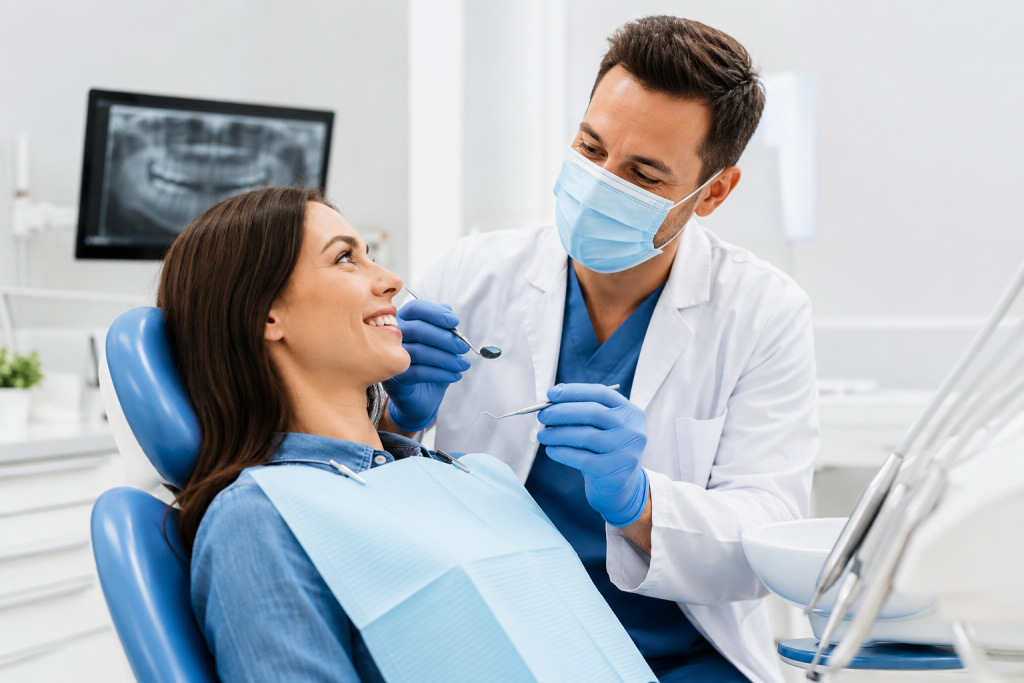
You can get fast, effective care when a dental emergency happens in Playa Del Rey, and knowing what to do first can save a tooth and reduce pain. If you act quickly—call a local emergency dentist, control bleeding or pain, and preserve any knocked-out tooth properly—you greatly improve the outcome.
They explain how to recognize true emergencies versus issues that can wait, walk through immediate steps for tooth pain or accidents, and outline modern treatment options and what to expect during an emergency visit. You will also learn how to find the right dental expert nearby, when to seek medical attention instead of dental care, and simple prevention tips to reduce future emergencies.
This section highlights clear signs that need prompt care, the specific problems that qualify as emergencies, and practical steps to take before reaching a dental office. It focuses on what to look for, which conditions require immediate treatment, and safe actions to reduce pain and risk.
Intense, persistent tooth pain that prevents sleep or normal eating often indicates infection or nerve damage and warrants same-day evaluation. Swelling of the face or jaw that develops quickly suggests spreading infection and can interfere with breathing or swallowing.
Uncontrolled bleeding after an injury or tooth extraction that soaks through gauze in 15–20 minutes requires immediate care. A knocked-out tooth (avulsed) is time-sensitive; successful re-implantation is most likely within one hour if the tooth is kept moist and brought to the dentist. High fever with oral pain or swollen lymph nodes also points to systemic infection needing urgent treatment.
Trauma: Fractured teeth with jagged edges can cut soft tissue, while root or socket damage risks tooth loss. Severe cracks that expose the pulp often cause acute pain and infection risk.
Infection: Abscesses under a tooth or in the gum produce throbbing pain, swelling, pus drainage, bad taste, and fever; antibiotics plus drainage or root canal are frequently necessary. Advanced periodontal infections that loosen teeth may need immediate stabilization and deep cleaning.
Soft-tissue injuries: Lacerations to the tongue, lips, or cheeks that bleed heavily or won’t stop may need sutures. Broken dental work: Large lost fillings or crowns that expose nerves can cause sharp pain and sensitivity and should be repaired quickly to avoid further damage.
Control bleeding by applying firm, continuous pressure with clean gauze or a tea bag for 15–20 minutes. Keep the head elevated to reduce bleeding and swelling. For a knocked-out tooth, handle only the crown, rinse briefly with water if dirty, and store it in milk or saliva; avoid scrubbing the root.
Reduce pain and swelling with over-the-counter ibuprofen or acetaminophen as appropriate, and apply a cold pack to the cheek in 10-minute intervals. Avoid placing aspirin directly on gums or teeth. If infection signs appear (fever, spreading swelling, trouble breathing), seek emergency medical care if dental care is unavailable and inform the dentist immediately upon contact.
Act quickly but calmly: stop bleeding, protect loose or broken teeth, and seek professional care when necessary. Apply cold, control pain with safe OTC meds, and preserve any avulsed tooth correctly while arranging emergency treatment.
They should rinse the mouth with warm salt water (½ teaspoon salt in 8 oz water) to reduce bacteria and loosen debris. Use a cold pack on the cheek for 10–15 minutes to reduce swelling and numb pain; repeat every 20 minutes as needed.
If infection symptoms appear — fever, swelling that affects breathing or swallowing, or spreading redness — treat as an emergency and call an urgent dental clinic or emergency room. For pain control, take ibuprofen 200–400 mg every 4–6 hours (max 1,200 mg/day OTC) unless contraindicated; acetaminophen is an alternative for those who can’t take NSAIDs.
Avoid placing aspirin directly on a tooth or gum; that can burn tissue and worsen pain. Do not attempt to lance or drain swelling at home. If a temporary filling falls out, gently cover the cavity with dental cement from a pharmacy and see a dentist within 24–48 hours.
Handle the tooth by the crown only; avoid touching the root to prevent damage to periodontal cells. If dirty, rinse the tooth gently with saline or milk for no more than 10 seconds; do not scrub or use soap.
Attempt to reinsert the tooth into its socket immediately, holding it steady by the crown; have the patient bite a clean gauze or cloth to stabilize it. If reinsertion is not possible, store the tooth in cold milk or Hank’s Balanced Salt Solution, or keep it in the mouth between cheek and gum for transport.
Seek emergency dental care within 30–60 minutes for the best chance of reattachment. Bring the tooth in a sealed container with milk or saline and any avulsed tissue. Tetanus status and facial trauma assessment may be necessary, so inform the emergency provider about the injury.
Rinse the mouth with warm water and apply a cold compress to the outside of the face to control swelling and pain. Save any tooth fragments in milk or saline and bring them to the dentist; small chips may be bonded, while larger breaks might need crowns or root canal treatment.
If the break exposes the pulp (visible red tissue) or causes severe pain, cover the area with sterile gauze and seek emergency dental care same day. For sensitivity, apply a desensitizing toothpaste or temporary dental cement over the exposed area until treatment.
Document the injury cause and time, and inform the dentist about prior dental work and medications. Modern options include composite bonding, porcelain veneers, or crowns depending on fracture size; the dentist will prioritize comfort and a long-term, aesthetic repair.
If they have questions or need an urgent appointment, the dental office should be contacted immediately for guidance and scheduling.
Modern emergency dental care in Playa Del Rey emphasizes quick diagnosis, targeted treatment, and patient comfort. Patients can expect digital imaging, same-day restorations, and pain-control options to address common urgent problems like tooth fractures, severe pain, and lost restorations.
Clinics use digital X-rays and cone-beam CT to pinpoint fractures, root issues, and jaw problems within minutes. This reduces guesswork and helps clinicians choose between procedures such as same-day crowns, direct composite repairs, or urgent root canal therapy.
For knocked-out teeth, dentists perform immediate reimplantation when possible and use splints to stabilize teeth for weeks as healing progresses. For severe infections, they combine incision and drainage with targeted antibiotics and follow-up endodontic treatment to preserve the tooth when feasible.
Providers also offer sedation options—nitrous oxide, oral sedatives, or IV sedation—for patients with high anxiety or complex procedures. When extraction is necessary, socket preservation and immediate implant placement are discussed as options to shorten total treatment time.
Staff prioritize pain control and clear communication from first contact through recovery. Triage protocols assess pain level, bleeding, and infection signs so clinicians can deliver analgesics, local anesthesia, or emergency drainage quickly.
Clinics train teams to explain each step and set realistic expectations about timelines, costs, and follow-up care. They provide written aftercare instructions and often supply prescription e-scripts for antibiotics or pain medication to reduce delay in getting relief.
To minimize chair time while maintaining quality, many practices use same-day CAD/CAM restorations and pre-assembled emergency kits for common repairs. They also coordinate referrals to oral surgeons or endodontists when specialized care becomes necessary.
Look for a clinician who combines proven emergency skills, clear communication, and convenient access. Prioritize credentials, patient comfort measures, and office hours that match urgent needs.
A reliable emergency dentist in Playa Del Rey holds a DDS or DMD and maintains current state licensure and ACLS/BLS certification when treating trauma. They should list emergency procedures—pain control, tooth reimplantation, root canal therapy, and fracture repair—on their website or intake forms.
Patient comfort matters: ask about local anesthesia options, nitrous oxide, and post-op pain plans. Read recent patient reviews focused on response time, treatment outcomes, and staff bedside manner. Confirm the practice uses modern diagnostics such as digital X-rays and intraoral cameras for faster, more accurate decisions.
Verify insurance acceptance, payment plans, and whether the office offers same-day or after-hours slots. A trustworthy provider will explain risks, alternatives, and expected recovery in plain language before treatment begins.
Playa Del Rey residents can access urgent care at local dental clinics, nearby hospital emergency departments, and mobile dental units that visit community centers. Keep a short list: one preferred emergency dentist, one nearby hospital (e.g., UCLA or local community hospital), and a weekend urgent dental clinic in Los Angeles County.
Use the California Dental Association or Los Angeles County Department of Public Health websites to confirm clinic hours and emergency protocols. Local pharmacies that compound topical anesthetics and ICUs that handle facial trauma may be necessary for severe cases. Note clinic locations and phone numbers in your phone so you can call immediately.
Map driving times from Playa Del Rey to each facility and ask about on-call dentists who can handle tooth avulsion or severe infection outside regular hours.
Start with logistics: “Are you available for same-day emergency care, and what are your typical response times?” Then ask about treatment specifics: “What options do you recommend for a cracked tooth or knocked-out tooth, and what are the success rates?” Request clear cost estimates: “What will this emergency visit and follow-up care likely cost, and do you accept my insurance?”
Clarify pain management: “What anesthesia and post-op pain strategies do you use, and are prescriptions provided immediately?” Confirm follow-up: “How many post-treatment visits will I need, and who handles complications after hours?” Finally, assess communication: “How will you explain the diagnosis and recovery steps in plain language?”
Good daily habits, timely professional care, and family-focused prevention cut the risk of sudden tooth pain, lost restorations, and oral injuries. The following practical steps show how to strengthen teeth, catch problems early, and protect children at home and during activities.
They should brush twice daily with a fluoride toothpaste and use a soft-bristled brush to remove plaque without damaging enamel or gums. Flossing once a day reaches interdental areas where decay often starts; interdental brushes or water flossers help for bridges and wide spaces.
Limit acidic and sugary snacks—choose cheese, nuts, or raw vegetables for snacks that neutralize acid and provide minerals. Drink tap water when possible for fluoride benefits; if using bottled water, consider a fluoride rinse after brushing.
Wear a custom-fitted mouthguard for contact sports and a nightguard for grinding (bruxism). Patients who clench or grind should discuss occlusal adjustments or nightguard options with their dentist to prevent fractures and worn restorations.
A dental exam every six months identifies small cavities, loose fillings, and early gum disease before they become emergencies. Dentists use digital X-rays and intraoral cameras to spot hidden problems such as root fractures, abscesses, or decay under crowns.
Professional cleanings remove hardened calculus that home care cannot, lowering inflammation and infection risk. During visits, clinicians evaluate bite, restorations, and appliances, and they can adjust or replace anything at risk of failing.
Discussing medical history and medications at each visit helps tailor preventive strategies. For patients with diabetes or heart conditions, more frequent monitoring may be recommended to reduce complication risks.
Parents should start dental visits by the child’s first birthday or within six months of the first tooth, establishing preventive routines early. Apply a rice-grain-sized smear of fluoride toothpaste for toddlers and a pea-sized amount for children older than two; supervise brushing to ensure proper technique.
Use age-appropriate mouthguards and helmets during organized sports and bike rides. Avoid giving children sticky candies or frequent juice; if juice is served, offer it at mealtimes and rinse with water afterward.
Sealants provide long-lasting protection for molars prone to pits and grooves. Parents should ask the dentist about sealants for children around the eruption of first and second permanent molars to reduce the chance of cavities that can lead to emergencies.
The visit focuses on rapid evaluation, immediate pain control, and a clear plan for treatment or referral. Patients will move from check-in to clinical assessment quickly, with staff communicating each step and estimated timing.
Reception staff confirm personal and insurance information, note the emergency nature, and prioritize the patient for the next available clinician. A dental assistant records symptoms, pain level (0–10), medical history, current medications, and allergies to guide safe treatment choices.
A dentist performs a focused exam: visual inspection of the mouth, palpation of swelling, percussion tests on affected teeth, and assessment of bite or looseness. The clinician often orders diagnostic imaging—bitewing, periapical, or cone beam CT—depending on suspected fracture, infection, or foreign object.
Based on findings, the dentist explains diagnosis options, immediate treatments, and follow-up needs. Options may include temporary measures (pulp capping, splinting, antibiotic therapy), same-day tooth extraction, or urgent referral to an endodontist or oral surgeon. Staff outline estimated costs and obtain consent before proceeding.
Staff prioritize pain control immediately. For severe pain, the dentist may administer local anesthesia, prescribe short courses of NSAIDs, acetaminophen, or stronger analgesics when appropriate, and provide written dosing instructions to prevent overdose or interactions.
If infection causes swelling or systemic symptoms, the clinician prescribes antibiotics and gives clear signs-to-watch-for that require emergency return or ER referral. For anxiety, the clinic offers nitrous oxide or oral sedation options and explains risks and fasting requirements beforehand.
For tooth fractures or avulsions, the team stabilizes the area with temporary bonding or a splint to reduce pain and prevent further damage. They provide verbal and printed aftercare instructions—ice application, diet modifications, oral hygiene tips, and when to schedule definitive treatment—to support recovery and minimize repeat visits.
Some problems need immediate hospital care; others require coordination with a physician or specialist for safe, comprehensive treatment. Recognize signs of systemic infection, severe trauma, breathing trouble, or conditions linked to heart, clotting, or pregnancy that make dental-only care unsafe.
Go to the emergency room if the patient has difficulty breathing, swelling that blocks the airway, or rapidly spreading facial swelling. These signs can indicate a deep space infection such as Ludwig’s angina that can compromise breathing and require IV antibiotics and airway management.
Seek immediate medical attention for uncontrolled bleeding that does not stop after 20–30 minutes of firm pressure, or for bleeding in patients on anticoagulants like warfarin or DOACs. ER teams can stabilize bleeding, reverse anticoagulation if needed, and coordinate with the dentist for follow-up.
Visit the hospital for high fever (above 101.5°F / 38.6°C) with facial pain or when infection symptoms worsen despite oral antibiotics. Also go for severe facial trauma with jaw misalignment, visible bone exposure, or neurological signs such as confusion, fainting, or vision changes.
When dental issues intersect with heart disease, immune suppression, diabetes, or pregnancy, dentists often contact the patient’s primary care physician or specialists. For example, patients with prosthetic heart valves may need antibiotic prophylaxis after certain procedures; cardiologists and dentists should confirm appropriate timing and dosing.
Patients on blood thinners require communication between the dentist and the prescribing clinician to balance bleeding risk and thrombosis. The dentist should provide a written procedure summary and bleeding risk assessment so the physician can advise on temporary dose adjustments or bridging therapy.
For immunocompromised patients or those with complex medical histories, the dentist may request lab tests (CBC, INR) or specialty consults before invasive treatment. Clear, documented handoffs—phone calls, secure messages, or shared electronic records—improve safety and ensure timely, coordinated care.
When someone faces a dental emergency, staying calm helps them think clearly and act fast. They should take slow, deep breaths and focus on concrete steps they can take right away.
If bleeding occurs, they should bite gently on clean gauze or a cloth for 10–15 minutes. Applying a cold pack to the outside of the cheek can reduce swelling and discomfort while they arrange care.
For a knocked-out tooth, they should pick it up by the crown, avoid touching the root, and try to place it back in the socket. If reinsertion isn’t possible, they should store the tooth in milk or saliva and see a dentist within an hour for the best chance of saving it.
Pain control matters; over-the-counter ibuprofen or acetaminophen can help until professional treatment is available. They should avoid aspirin (which can increase bleeding) and refrain from placing painkillers directly on the gum.
A short checklist helps keep actions straightforward:
Knowing where to go and what to do reduces fear and speeds recovery. They should contact a trusted Playa Del Rey emergency dental provider for advice and next steps when an emergency happens.
This section answers practical steps for common dental emergencies in Playa Del Rey, CA, including immediate self-care, pain control, tooth preservation, what to expect at an urgent visit, and typical cost/insurance options.
Rinse the mouth gently with warm water to clear debris and reduce infection risk.
Save any tooth or filling fragments in milk or saline and bring them to the dentist; do not scrub the pieces.
Use a cold compress on the cheek to reduce swelling and take an over‑the‑counter pain reliever per label directions.
If bleeding is heavy or pain is severe, seek the nearest emergency dental clinic or urgent care immediately.
Seek same‑day care for swelling, fever, spreading pain, or difficulty breathing or swallowing—these indicate infection.
If pain is localized, mild, and responds to OTC analgesics, it may wait for a scheduled appointment.
Persistent pain that disrupts sleep or daily activities also justifies urgent evaluation.
When in doubt, call a local Playa Del Rey emergency dentist for guidance.
Ibuprofen (200–400 mg every 4–6 hours as needed) is effective for most dental inflammation and pain unless contraindicated.
Acetaminophen is an alternative for those who cannot take NSAIDs; follow dosing instructions closely.
Avoid applying aspirin directly to gums or teeth because it can cause tissue damage.
Topical benzocaine products can help briefly but use them sparingly and follow package warnings.
Handle the tooth by the crown, not the root, to protect tooth cells.
If dirty, rinse briefly with water for no more than 10 seconds; do not scrub or dry the root.
Try to reinsert the tooth into the socket and hold it in place, or store it in milk, saline, or the patient’s saliva.
Get to an emergency dentist within 30–60 minutes for the best chance of successful reimplantation.
The dentist will take a focused medical history and perform an oral exam to assess injury or infection.
They will typically take bitewing or periapical X‑rays and, if needed, a panoramic image to view roots and surrounding bone.
Treatment may include temporary splinting for knocked‑out or loosened teeth, fillings or crowns for fractures, root canal therapy for infected or exposed pulp, and antibiotics for spreading infection.
The team will review pain management and schedule follow‑up care or definitive restorations.
Minor emergency visits with temporary repairs commonly range from a few hundred dollars; root canals, crowns, or extractions increase costs depending on complexity.
Many practices in Playa Del Rey accept major dental insurance plans and will estimate out‑of‑pocket costs before treatment.
Ask the dental office about payment plans, credit options (like CareCredit), and acceptance of emergency cash or debit at the time of service.
Calling ahead with insurance information helps the clinic provide an accurate estimate and reduces surprises.
If they have questions or need help finding a nearby emergency dentist, encourage them to contact the local dental office for guidance and appointment availability.