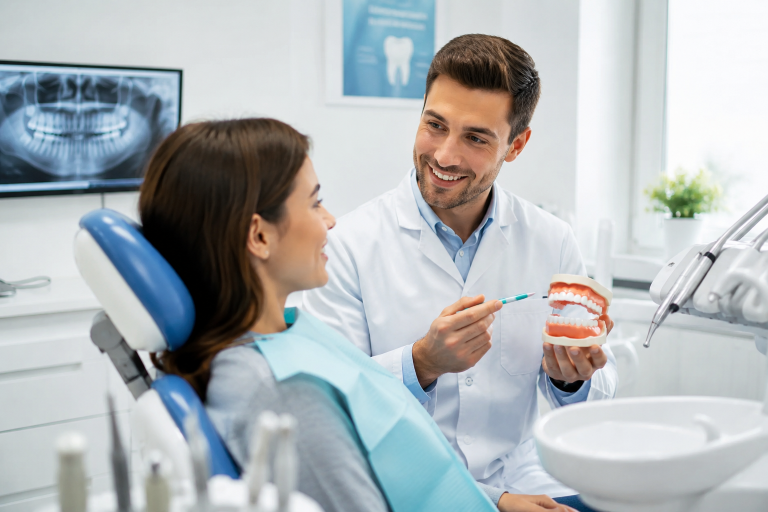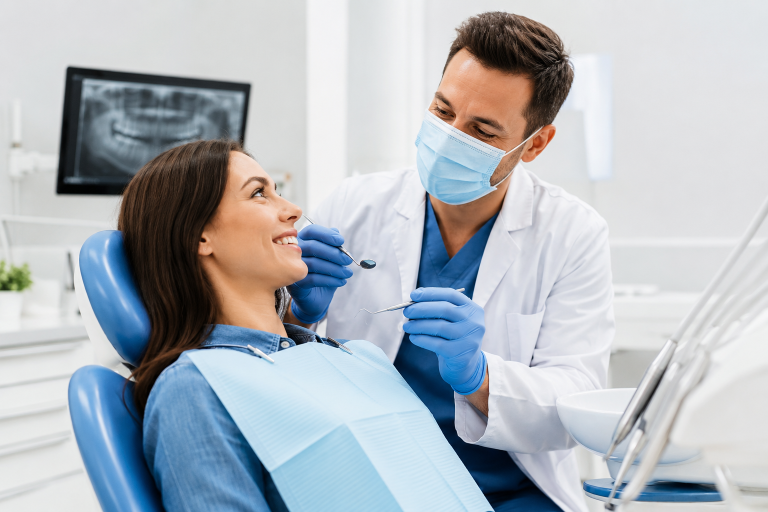
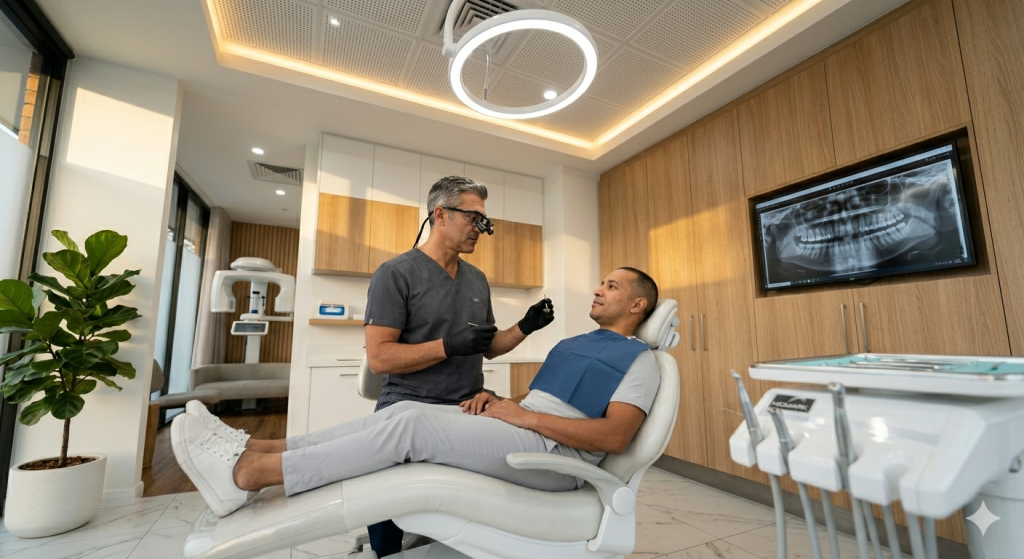
You want a straighter smile without metal brackets, and Invisalign in Playa Del Rey offers a discreet, modern path to that goal. Invisalign uses clear, removable aligners tailored to your bite, so you can straighten teeth while keeping your lifestyle—eating, speaking, and smiling—largely unchanged.
They will guide you through what to expect: how aligners work, how long treatment might take, costs and insurance basics, and practical care tips to protect your investment. With local providers who combine neighborhood care and advanced technology, you’ll feel supported at every step toward a more confident, healthy smile.
Invisalign uses clear, removable trays to move teeth with fewer visible appliances, shorter in‑office visits, and predictable digital planning. Patients value discreet appearance, easier oral hygiene, and customized staging for specific tooth movements.
Invisalign aligners are clear, medical‑grade plastic trays that fit snugly over teeth, making them nearly invisible in daily life. Unlike metal braces with wires and brackets, aligners remove for eating and brushing, which reduces food restrictions and lowers cavity and gum inflammation risk when patients maintain good hygiene.
Treatment relies on a digital 3D scan and software to map each tooth’s movement into a series of aligners. Each aligner applies light, targeted pressure and is typically worn 20–22 hours per day, changing every 1–2 weeks. Attachments—small tooth‑colored bumps bonded to certain teeth—help the aligners grip and execute rotations or vertical movements that plastic alone might not achieve.
Patients often experience fewer emergency visits for broken wires or poking brackets. Comfort tends to be higher during initial wear and after each aligner change because pressure distributes across the tray rather than from tightened wires.
A clinician begins with a digital intraoral scan to create a precise 3D model and treatment plan called a ClinCheck. The ClinCheck visualizes step‑by‑step movements, estimated duration, and final tooth positions. This plan guides fabrication of a staged series of aligners, each designed to move teeth a fraction of a millimeter.
Patients wear each aligner set about 1–2 weeks, removing them only to eat, drink (except water), brush, and floss. Compliance drives effectiveness: wearing aligners 20–22 hours daily produces predictable progress and keeps overall treatment time competitive with braces for many cases.
Tooth movement occurs through controlled pressure and periodontal remodeling—bone reshapes as teeth shift. Periodic checkups every 6–10 weeks let the clinician monitor progress, adjust attachments, and, if needed, order refinement aligners to fine‑tune results.
Invisalign treats a broad range of alignment issues: mild to moderate crowding, spacing, overbite, underbite, crossbite, and open bite in many patients. Complex skeletal discrepancies or very severe tooth rotations might still require traditional braces or combined orthodontic and surgical approaches.
Good candidates have healthy gums and teeth; active periodontal disease, large untreated cavities, or missing teeth may require preparatory dental care. Teen and adult patients both qualify, with “Invisalign Teen” offering compliance indicators for growing smiles.
A consultation with an experienced orthodontist or dentist in Playa Del Rey evaluates bite relationships, periodontal status, and patient goals, then recommends whether Invisalign or another option best meets functional and aesthetic needs.
Patients receive a clear outline of appointments, expected timeframes, and daily care steps so they can plan work, school, or family life around treatment. The local team emphasizes predictable scheduling, digital records, and straightforward communication about costs and outcomes.
The process begins with a digital scan or physical impressions of the teeth to create a precise 3D model. The dentist uses that model and Invisalign software to map tooth movement and generate a series of custom aligners.
Patients typically wear each aligner for 1–2 weeks and remove them only for eating and cleaning. Treatment length commonly ranges from 6 to 18 months depending on complexity; mild crowding may finish faster, while bite correction can take longer. The practice provides an estimated timeline and a printed or digital schedule showing aligner changes and key appointments.
A typical treatment plan includes aligner delivery, periodic check-ins every 6–10 weeks, and a retention phase with custom retainers after active movement. The clinic supplies written care instructions: wear aligners 20–22 hours daily, clean with a soft brush and mild soap, and avoid hot liquids while wearing them. Patients also receive contact information for urgent concerns like broken trays or sudden pain.
The initial visit starts with medical and dental history and a focused oral exam to check gums, cavities, and existing restorations. The dentist discusses chief concerns, desired outcomes, and any limitations—such as dental crowns, implants, or severe periodontal issues—that could affect candidacy.
A digital scan or impressions are taken for treatment planning during the same visit at many Playa Del Rey practices. The dentist then reviews the preliminary treatment plan, including projected duration, number of aligners, and a cost estimate with financing options. They show the patient the ClinCheck (3D treatment simulation) when available and explain each phase of tooth movement in plain language.
Expect clear instructions about oral hygiene, temporary changes in speech, and strategies to manage initial soreness. The team also outlines follow-up frequency, emergency contact procedures, and expectations for compliance—emphasizing that consistent wear is the single biggest factor in success.
Progress checks typically occur every 6–10 weeks to confirm that teeth are tracking as planned and to issue the next set of aligners. During these visits, the dentist evaluates fit, checks attachments, and takes quick photos or scans if adjustments are needed.
If teeth do not move as expected, the dentist can order refinements—additional aligners based on updated scans—to correct remaining issues. They explain the reason for refinements and present a revised schedule and cost if applicable. Minor repairs, such as reattaching an attachment or trimming an edge, are handled in-office.
Patients receive guidance at each check on oral hygiene, retainer expectations, and long-term retention. The practice encourages patients to report discomfort, lost trays, or lifestyle changes that affect wear time so the team can adapt the plan promptly.
Invisalign aligns teeth with clear, removable trays that prioritize comfort, daily life, and easy oral care. Patients in Playa Del Rey choose it for a discreet look, fewer dietary limits, and simpler brushing and flossing.
Invisalign uses smooth, custom-molded thermoplastic trays that reduce soft-tissue irritation compared with metal brackets and wires. The trays fit precisely over teeth, so patients report less gum and cheek soreness during the first few days of a new set. Adjustments are gradual—each aligner shifts teeth slightly—so discomfort is typically mild and short-lived.
The clear material makes trays hard to see at conversational distance, appealing to adults and teens who want a low-profile option. Aligners are removable for special events or photos, letting patients control when their smile appears untreated. For many, that combination of comfort and discretion makes wearing the required 20–22 hours per day easier to maintain.
Because aligners remove for eating, Invisalign avoids the food limitations of braces. Patients can continue eating popcorn, corn on the cob, chewy candies, and crunchy foods without breaking wires or brackets. This reduces emergency visits for repairs and preserves normal dining habits.
Removability also helps with sports and musical instruments: patients can wear a custom mouthguard for contact sports or take out aligners for wind instruments when needed. Travel is simpler, too—replacements and cleaning tools pack easily, and routine adjustments happen every 1–2 weeks without complex in-office emergencies.
Invisalign trays lift away from teeth, letting patients brush and floss normally—something fixed braces make difficult. Maintaining regular hygiene reduces plaque buildup, lowers the risk of white-spot lesions, and helps protect enamel during treatment. Patients should rinse trays before reinserting and brush teeth after meals to prevent staining and odor.
Dentists in Playa Del Rey often pair Invisalign with routine checkups and professional cleanings every 8–12 weeks to monitor progress and oral health. Clear care instructions—cleaning trays with a soft brush and approved cleanser, avoiding hot water, and storing aligners in their case—help patients keep both teeth and aligners in good condition.
Proper aligner care keeps the trays clear, odor-free, and fitting correctly. Healthy gums and teeth support faster treatment and reduce the chance of stains, cavities, or irritation.
Patients should rinse aligners every time they remove them and brush them gently with a soft-bristled toothbrush using clear, unscented antibacterial soap. Avoid toothpaste for routine cleaning because abrasive pastes can scratch the plastic and make trays cloudy.
Soak aligners nightly or every few days in a manufacturer-recommended solution—such as Invisalign cleaning crystals, retainer soak tablets, or a 50/50 mix of white vinegar and water for 15–20 minutes. Rinse thoroughly after soaking to remove any residual solution before reinserting.
Never use hot water, bleach, or colored mouthwash; heat can warp trays and chemicals can discolor or degrade them. Store aligners in their case whenever they are out of the mouth to prevent loss and reduce bacterial exposure. Replace the case if it becomes cracked or visibly dirty.
If an aligner cracks or feels loose, contact the dental office promptly; they may advise switching to the previous or next tray or issuing a replacement. Bring aligners to appointments so the clinician can check fit and cleanliness.
Brush for two minutes twice daily with fluoride toothpaste and floss at least once each day to remove plaque in places aligners can trap bacteria. Use an interdental brush or floss threader if gum tissue is sensitive or if brackets and attachments complicate cleaning.
Use a soft-bristled toothbrush and gentle circular motions along the gumline to reduce irritation from trays rubbing. If gums feel inflamed, a warm salt-water rinse (½ teaspoon salt in 8 ounces of warm water) twice a day for a few days can reduce swelling; contact the practice if bleeding persists.
Schedule professional cleanings every 3–6 months, or as recommended, so hygienists can remove tartar where aligners can’t reach. Avoid sugary snacks and acidic drinks between trays; if consuming them, remove aligners, brush, and wait 20–30 minutes before reinserting to protect enamel.
If dry mouth, bad breath, or persistent soreness occurs, discuss saliva substitutes, antimicrobial mouthwashes, or adjustments to tray wear with the provider. They tailor recommendations to the patient’s oral health and lifestyle to keep treatment comfortable and effective.
Patients can expect a range of out-of-pocket costs, multiple payment choices, and variable insurance coverage for Invisalign in Playa Del Rey. Understanding typical price ranges, available financing, and how to check dental benefits helps avoid surprises and speeds treatment start.
In Playa Del Rey, Invisalign treatment typically ranges from $3,000 to $7,500 depending on case complexity. Minor cosmetic alignments or limited “Express” plans fall near the lower end, while full-mouth corrections and complex bite issues move toward the higher end.
Initial consultation and digital scans often cost between $0–$250; some offices waive the exam with treatment commitment. Regular monitoring visits are usually included, but replacement aligners for lost trays can add $100–$300 per set. Patients should ask for a written estimate that lists all fees: diagnostics, aligners, retainers, and any adjunctive procedures (attachments, interproximal reduction, or elastics).
Most Playa Del Rey orthodontic practices offer in-house payment plans with monthly installments over 6–36 months. Typical down payments range from $500–$1,500, with interest-free options available if paid within a promotional period.
Third-party lenders like CareCredit and LendingClub provide dental loans with fixed terms and APRs; readers should compare total interest costs. Some offices accept major credit cards and checks. Patients should request a payment schedule showing due dates and penalties for late payments to avoid surprises. Tax-advantaged accounts such as FSA/HSA can cover eligible costs when prescribed by a dentist.
Many dental insurance plans cover a portion of orthodontic care for children and adults; coverage for Invisalign varies by policy. Typical employer plans may pay 25–50% of orthodontic costs up to a lifetime max (commonly $1,000–$3,000), but some plans exclude clear aligners specifically.
Before committing, patients should obtain a pre-treatment estimate (predetermination) from their insurer and confirm whether prior authorization is required. The dental office can often submit claims and explain benefits; bring plan ID, group number, and subscriber info to the first visit. For uncovered balances, ask the office to itemize services so patients can apply insurance payments correctly or seek reimbursement.
Consistent retainer use and daily oral habits keep teeth aligned and protect the investment in treatment. Small routine actions—wearing the right retainer, cleaning it properly, and avoiding certain foods—have the biggest impact on long-term outcomes.
Patients typically receive a clear retainer or a bonded wire after Invisalign. For the first 6–12 months, wear the removable retainer full-time (20–22 hours daily) except for eating and cleaning. This prevents immediate relapse while bone and soft tissue adapt to the new tooth positions.
After the initial period, switch to nightly wear. Most dentists recommend lifelong nighttime use—often 3–5 nights per week—to maintain alignment. Replace or repair retainers that warp, crack, or no longer fit snugly; an ill-fitting retainer allows movement.
Care for retainers by rinsing after removal and brushing gently with a soft toothbrush; avoid hot water and abrasive cleaners. Store them in the protective case when not worn. Bring retainers to follow-up visits so the provider can check fit and shape.
Brush twice daily with fluoride toothpaste and floss once daily to remove plaque that can weaken tooth support. Professional cleanings every 3–6 months help detect early gum disease, which contributes to tooth shifting if left untreated.
Limit hard or sticky foods that stress dental work and can bend bonded retainers. Use a nightguard if grinding occurs; clenching can move teeth despite retainer use. Stay hydrated and minimize acidic or sugary drinks to protect enamel and periodontal tissues.
Schedule routine orthodontic or general dental checkups every 6–12 months. Discuss any bite changes, loosened retainers, or shifting teeth promptly. Early intervention prevents small movements from becoming a need for retreatment.
For personalized guidance, patients should ask their Playa Del Rey provider about retainer schedules, replacement timelines, and any lifestyle adjustments needed to protect their smile.
Choosing an Invisalign provider in Playa Del Rey starts with credentials. Patients should look for dentists or orthodontists who are certified by Invisalign and who have documented experience treating cases similar to theirs.
Comfort and communication matter as much as credentials. A friendly, patient-centered office that explains the treatment plan, expected timeline, and costs in plain language helps reduce anxiety and sets realistic expectations.
Ask to see before-and-after photos and read patient reviews. These give insight into results and bedside manner. Virtual consultations or brief phone calls can also help assess responsiveness and rapport.
Compare treatment planning tools and follow-up care. Providers who use digital scanning, 3D treatment simulations, and scheduled check-ins typically offer more predictable outcomes and a smoother experience.
Cost and insurance should be transparent. Providers should present a clear breakdown of fees, payment plans, and whether they accept dental insurance or FSA/HSA payments. Patients should ask about additional costs such as retainers.
Use this quick checklist when choosing:
Encourage a short consult to discuss goals, comfort concerns, and lifestyle fit. A good provider listens, explains options clearly, and helps plan the next steps toward a confident smile.
Patients in Playa Del Rey find Invisalign an approachable way to improve alignment without disrupting daily life. Treatment uses clear, removable aligners that sit comfortably and fit a modern lifestyle.
The dentist explains how alignment affects more than appearance. Straighter teeth can reduce uneven wear, improve chewing, and make cleaning between teeth easier.
Many people worry about discomfort and visibility. Mild pressure during adjustments is normal, and most find aligners far less intrusive than traditional braces.
A typical plan blends clinical expertise with patient preferences. Regular check-ins keep progress on track, while digital scans and visual timelines let patients see expected results before starting.
Practical tips help patients succeed: wear aligners 20–22 hours daily, remove them for meals, and clean them gently with a soft brush. Consistent habits shorten treatment time and protect oral health.
Patients often appreciate the confidence boost as their smile improves. The clinic encourages questions, offers personalized consultations, and supports each step from planning to retention.
This section answers direct concerns about cost, candidacy, timelines, comfort, lost trays, and retainers for clear aligner treatment in Playa del Rey, CA. It gives specific expectations for price ranges, common eligibility, typical treatment duration and appointment frequency, comfort tips, steps if a tray is lost or skipped, and retainer options after active treatment.
Typical in-office clear aligner treatment in Playa del Rey ranges from about $3,000 to $7,500 depending on complexity. Simple cases (minor relapse or single-arch corrections) tend to be at the lower end, while full-mouth, complex bite corrections sit at the higher end.
Additional costs include initial scans or X-rays, refinements or additional aligner sets, and retainers after treatment. Insurance may cover part of the cost; many practices offer monthly financing or flexible payment plans to spread payments.
Clear aligners handle mild to moderate crowding and gaps very well and often correct many bite issues such as mild overbite, underbite, or crossbite. Severe skeletal discrepancies, large inter-arch corrections, or cases needing surgical intervention may require braces or combined treatments.
A comprehensive exam with digital scans or X-rays determines suitability and produces a projected tooth-movement plan. The dentist or orthodontist will review expected outcomes and recommend aligners, braces, or hybrid approaches as needed.
Average treatment time for typical cases is 6 to 18 months, with many adult cases completing around 9–12 months. Treatment length depends on the starting alignment, the number of aligners, and patient compliance with wear time.
In-office or virtual check-ins usually occur every 6–8 weeks to monitor progress and provide refinements if necessary. Some practices use telehealth photo check-ins between appointments to reduce chair time while keeping progress on track.
Patients often feel pressure or mild soreness for 24–72 hours when starting a new tray; this is normal and indicates tooth movement. Over-the-counter pain relievers like ibuprofen, eating softer foods for the first day, and applying cold packs can help.
Using aligner chewies for a few minutes helps seat trays and reduces soreness more quickly. If significant, persistent pain or a loose tray occurs, contact the provider for an adjustment or evaluation.
If a tray is lost, contact the dental office promptly; they will typically order a replacement or instruct which previous tray to wear until the replacement arrives. Missing a day or two rarely ruins progress, but habitually skipping wear risks relapse and lengthens treatment.
If the patient is more than a couple of days behind, the provider may advise wearing the previous tray until the mouth is ready for the next one or may issue a new progression plan. Clear communication with the office keeps the treatment timeline accurate.
Most patients receive either clear removable retainers or fixed (bonded) retainers on the lower front teeth after active treatment. Clear removable retainers require nightly wear—often full-time for the first few months, then nightly long-term—while bonded retainers stay in place and require careful oral hygiene.
The dentist will recommend a retention schedule tailored to the patient’s original alignment, age, and risk of relapse. Regular retainer checks and routine dental visits help ensure the smile remains stable over time.