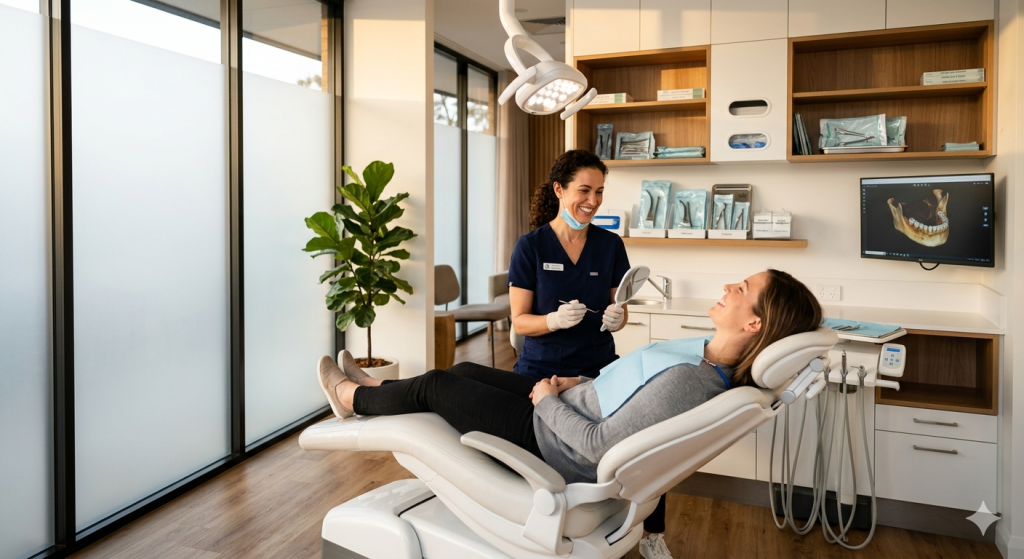
Full mouth reconstruction in Playa Del Rey, CA, is a comprehensive dental treatment designed to restore the function and appearance of all teeth. It combines various procedures like crowns, bridges, implants, and veneers to rebuild a healthy, confident smile. This approach is ideal for those with extensive dental damage, wear, or missing teeth.
The process is tailored to each patient’s needs, focusing on both comfort and long-term oral health. Patients in Playa Del Rey can expect expert care that uses modern technology to make treatment as smooth and effective as possible. Understanding the basics of full mouth reconstruction helps patients feel more confident about the journey to a renewed smile.
Full mouth reconstruction is a comprehensive dental treatment designed to restore the function, health, and appearance of all teeth in the mouth. It often involves a combination of different dental procedures tailored to each patient’s specific needs.
Patients considering this treatment usually face multiple dental issues, and the plan aims to address these problems systematically for lasting results.
Full mouth reconstruction becomes necessary when a patient’s dental health is compromised by extensive damage, tooth loss, or chronic conditions. This may include severe tooth decay, gum disease, worn teeth from grinding (bruxism), or trauma.
It is often recommended for people who have trouble chewing, chronic jaw pain, or significant aesthetic concerns. Age-related wear and previous dental work that has failed can also trigger the need for reconstruction.
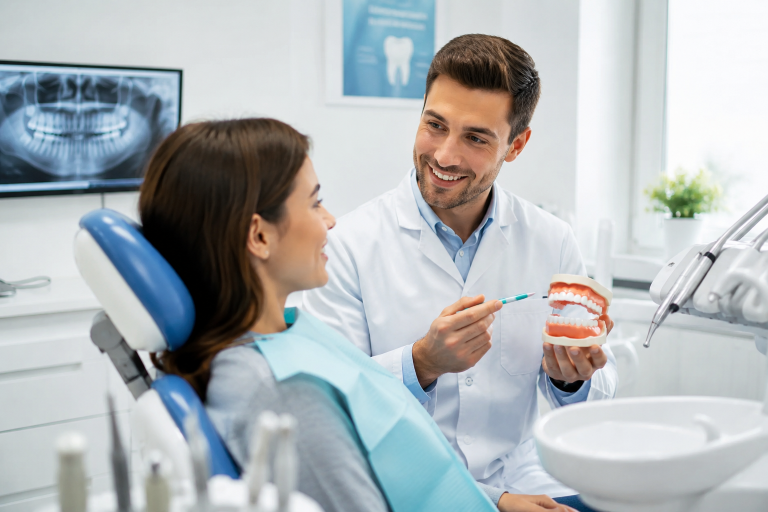
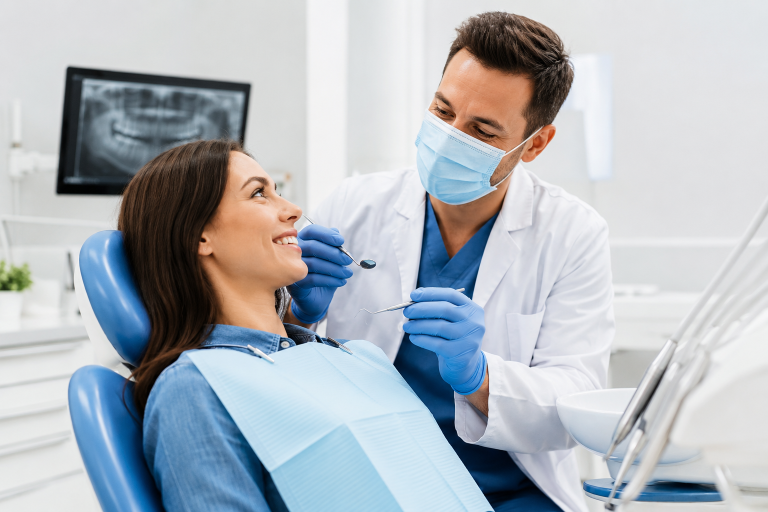
The decision to proceed typically follows a detailed examination, including X-rays and bite analysis, ensuring every issue is identified and addressed.
The primary goal is to restore full oral function so patients can eat and speak comfortably. This includes stabilizing bites, reducing pain, and improving jaw alignment.
Another important benefit is enhanced appearance. By repairing or replacing damaged teeth, patients often regain confidence with a natural-looking smile.
Additionally, reconstruction helps protect remaining teeth and oral tissues from further damage or decay. It can also improve overall oral health by addressing underlying issues like gum disease.
Full mouth reconstruction usually combines several treatments. Common procedures include dental crowns, bridges, implants, veneers, root canals, and periodontal therapy.
Crowns and veneers restore damaged teeth, while implants replace missing ones. Root canals treat infected nerves, and periodontal therapy addresses gum disease.
Bite adjustment and orthodontics may be part of the plan to ensure teeth align correctly. Each step targets a specific problem but works together to rebuild oral health comprehensively.
A full mouth reconstruction requires careful coordination to restore function and appearance. The process begins with detailed assessments and modern diagnostic tools that reveal the true condition of the teeth and gums. A customized plan is then made to fit each patient’s unique needs and goals.
The dental team starts by examining the entire mouth, including teeth, gums, jaw joints, and bite alignment. They check for decay, worn-down teeth, missing teeth, and signs of gum disease.
Doctors also review medical history and discuss any symptoms like pain or difficulty chewing. This helps uncover hidden issues that might affect treatment success.
This thorough assessment ensures the reconstruction won’t just look good but will also improve oral health and overall comfort.
Advanced imaging technology plays a key role in planning full mouth reconstruction. Digital X-rays, 3D scans, and intraoral cameras provide clear, accurate views of the dental structures.
These images help dentists measure bone density, locate nerve positions, and evaluate existing restorations. This precision reduces guesswork and leads to better-fitting restorations.
Patients benefit from seeing images of their own mouths, making it easier to understand the treatment process. Digital tools also allow for simulations to preview potential results.
Using the gathered information, dentists develop a step-by-step plan tailored to the patient’s needs. This plan balances restoring function with achieving a natural, aesthetically pleasing smile.
It typically includes prioritized treatments, such as fillings, crowns, implants, or orthodontics. Timing and healing periods are discussed to ensure comfort and optimal results.
The dentist will review the plan carefully with the patient, answering questions and adjusting it as needed. This collaborative approach helps patients feel confident and supported throughout the journey.
Full mouth reconstruction uses advanced methods to restore both the function and appearance of teeth. These treatments combine durability with a natural look, designed for long-lasting comfort. They focus on precision and customization to meet individual patient needs.
Dental implants act as artificial tooth roots, placed directly into the jawbone. They provide a sturdy foundation for replacement teeth that look and feel natural. This method helps prevent bone loss, which often occurs after tooth loss.
The procedure starts with a detailed assessment to ensure healthy bone density. After the implant is placed, it requires a healing period for the bone to fuse around it, usually lasting a few months. Once healed, an abutment and crown are attached to complete the restoration.
Implants offer several benefits: they don’t rely on neighboring teeth, improve chewing efficiency, and can last many years with proper care. Patients appreciate the stable bite and the confidence implants bring to their smile.
Crowns and bridges restore damaged or missing teeth using strong tooth-shaped caps and fixed dental appliances. Crowns cover a single tooth that is weakened or cracked, protecting it from further damage. Bridges fill gaps left by one or more missing teeth, anchored to adjacent natural teeth or implants.
Dental crowns are commonly made from porcelain, ceramic, or metal alloys, providing both strength and a natural appearance. Bridges are custom-designed to fit comfortably and maintain proper bite alignment.
These options are minimally invasive and require just a few visits. They restore speech, chewing ability, and keep the surrounding teeth from shifting. Regular care maintains their durability and appearance over time.
Porcelain veneers are thin shells placed on the front surface of teeth to enhance their appearance. They correct discoloration, chips, minor misalignments, and gaps. Veneers provide a bright, uniform smile with results that look natural.
The process involves minimal tooth preparation, where a small amount of enamel is removed. Impressions are taken to custom-make the veneers in a dental lab. Once ready, they are bonded securely to the teeth.
Veneers are stain-resistant and durable, lasting many years with good oral hygiene. They are ideal for patients looking for a cosmetic boost without extensive dental work. The procedure is quick and usually doesn’t cause discomfort.
Effective full mouth reconstruction focuses on more than just appearance. It helps ensure proper bite alignment, supports jaw health, and improves essential daily functions like chewing and speaking.
Proper bite alignment is critical to avoid uneven wear and jaw pain. Dentists use restorative techniques such as crowns, bridges, and veneers to adjust the way teeth fit together. This process redistributes biting forces evenly across the jaw.
When teeth don’t align well, stress concentrates on certain points, causing discomfort or even damage. Correcting the bite can prevent cracked teeth and reduce strain on muscles. Custom treatment plans ensure each patient’s bite is balanced for comfort and function.
The temporomandibular joint (TMJ) controls jaw movement and is sensitive to dental imbalances. Misaligned teeth can trigger TMJ disorders, leading to pain, clicking sounds, or headaches.
Full mouth reconstruction often includes assessing TMJ health and addressing issues through bite adjustments or nightguards. These solutions reduce pressure on the joint, easing tension and improving jaw mobility.
Maintaining TMJ health is key for comfort over time, especially if the patient had previous jaw discomfort or difficulty opening their mouth fully.
Dental damage can make chewing difficult and affect speech clarity. Missing or uneven teeth often cause food to get trapped or require extra effort to break down meals.
By restoring tooth structure evenly, patients regain efficient chewing ability and enjoy eating again without pain. Adjustments in tooth shape and placement also improve how sounds form, making speech clearer.
Patients often notice immediate benefits, from better nutrition to increased confidence during conversations—important parts of everyday comfort and quality of life.
Full mouth reconstruction in Playa Del Rey offers more than just restoring function—it improves how the smile looks and feels. This process carefully considers color, shape, and gum contours to create a natural, balanced appearance.
Dentists use advanced techniques to perfectly match the color of crowns, veneers, or implants to existing teeth. This means no one will notice the difference, providing a seamless smile.
Materials like porcelain and ceramic are chosen for their ability to mimic the translucency and shade of natural teeth. This attention to detail avoids the artificial “fake tooth” look many patients worry about.
The dentist also adjusts the brightness and tone to harmonize with skin color and lip shape, ensuring the new teeth complement the patient’s overall face.
Gum reshaping corrects uneven or receding gum lines that can affect the appearance of the smile. Proper gum contours create a symmetrical frame around the teeth, enhancing facial balance.
The procedure is usually gentle and performed with laser dentistry, reducing discomfort and recovery time. It can help fix gummy smiles or cases where teeth look too long or short.
Healthy, well-shaped gums prevent shadows that make teeth look discolored or crooked. This detail contributes significantly to a fresh, youthful smile.
Smile design is a personalized strategy where dentists plan each element of the smile. They assess tooth size, shape, alignment, and how the lips move during expression.
Digital imaging and 3D models often guide this process, allowing patients to see potential outcomes before treatment starts. This collaborative approach builds confidence and sets clear expectations.
The goal is to create a smile that looks natural, suits the person’s facial structure, and functions well for eating and speaking. It focuses not just on aesthetics but overall harmony and comfort.
Maintaining a full mouth reconstruction requires commitment to daily habits and regular dental care. Paying attention to specific routines and follow-up appointments helps protect the investment in your smile for years to come.
After a full mouth reconstruction, brushing twice daily with a soft-bristled toothbrush is crucial. Use non-abrasive fluoride toothpaste to avoid damaging restorations like crowns or bridges. Flossing should be done daily, but patients must be gentle around sensitive areas to prevent irritation.
Consider using an antimicrobial mouth rinse to reduce bacteria and protect gums. Avoid hard or sticky foods that can chip or loosen dental work. Regular cleaning tools such as interdental brushes can help reach tight spaces without stressing your new dental pieces.
Follow-up visits typically start 1-2 weeks after the procedure to check healing and the fit of restorations. After this initial appointment, follow-up visits every six months are recommended for cleaning and exam.
During these visits, the dentist looks for wear or damage and can polish or adjust dental work as needed. If signs of gum inflammation or bite problems arise, early intervention can prevent bigger issues.
Avoid habits like nail-biting, chewing ice, or using your teeth as tools since these actions can damage your restorations. Wear a night guard if you grind your teeth, to protect your investment.
Maintain a balanced diet, favoring crunchy vegetables and soft proteins, while limiting sugary snacks. Stay hydrated to help saliva keep your mouth clean and healthy. If any discomfort or changes occur, contact your dental provider promptly to keep your reconstruction in top shape.
At Playa Del Rey, patients undergoing full mouth reconstruction find personalized care designed to ease anxiety and promote healing. The focus on comfort, tailored sedation options, and a dedicated support team helps make the journey smoother and more manageable.
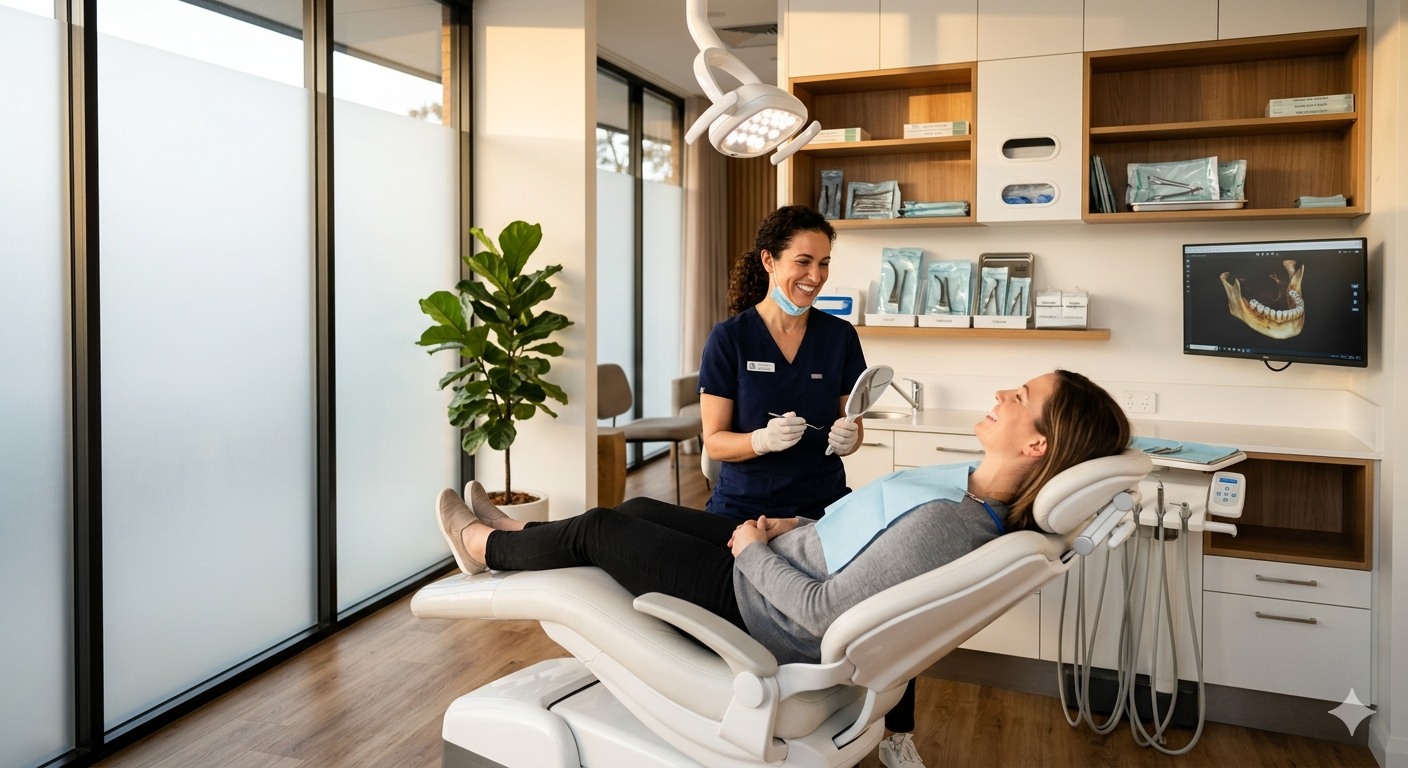
Clinics in Playa Del Rey prioritize creating a calming environment from the moment patients walk in. Soft lighting, soothing music, and comfortable seating help reduce stress before treatment begins.
During procedures, dentists use gentle techniques, minimizing discomfort and preserving natural tissues whenever possible. They explain each step clearly, so patients feel informed and in control.
Post-treatment care includes specific recommendations for pain management and oral hygiene, helping patients recover confidently. This comfort-first mindset aims to make complex dental work feel approachable and less intimidating.
Several sedation methods are available to accommodate different comfort levels and treatment needs. Nitrous oxide, or “laughing gas,” offers mild relaxation without loss of consciousness, ideal for nervous but cooperative patients.
For more extensive reconstruction, oral sedation or intravenous (IV) sedation may be used. These options help patients remain calm and pain-free, often with little memory of the procedure afterward.
Each sedation plan is customized after a thorough health evaluation, ensuring safety and effectiveness. The team discusses all options openly, so patients can choose what feels right for them.
A friendly, attentive dental team is central to the patient experience at Playa Del Rey. Staff members take time to answer questions, explain the treatment process, and adjust care based on patient feedback.
During recovery, the team schedules follow-up visits and stays reachable for concerns. This ongoing support builds trust and reassures patients that help is available every step of the way.
The team’s warmth combined with professional expertise creates a positive atmosphere, helping patients feel valued and cared for beyond just their dental work.
The first step in a full mouth reconstruction in Playa Del Rey, CA, is a thorough evaluation. The dentist will review dental history, take X-rays, and examine bite function to create a comprehensive treatment plan tailored to individual needs.
Patients can expect a detailed discussion about goals and concerns to ensure comfort and understanding. This personalized approach helps set realistic expectations and lays the groundwork for success.
Treatment options often involve a mix of procedures like crowns, implants, bridges, or gum therapy. The dentist will explain each choice clearly, highlighting benefits and timelines.
Key steps to expect:
| Step | What It Involves |
|---|---|
| Initial Consultation | Assessment, X-rays, discusses goals |
| Customized Plan | Tailored treatment plan |
| Procedure Schedule | Timelines and appointments planned |
| Follow-Up Care | Preventive steps and maintenance |
Throughout the process, patient comfort remains a priority. Modern dental technology and sedation options are available to reduce anxiety and pain.
Starting early can make the experience smoother and more predictable. It’s always a good idea to ask questions and share any concerns openly during consultations.
Encouraging anyone considering full mouth reconstruction to book a visit helps begin their journey toward a healthier, more confident smile.
Full mouth reconstruction involves multiple dental treatments tailored to fix complex issues affecting teeth, gums, and overall oral function. It requires careful planning and personalized care to restore both health and appearance.
A full mouth reconstruction rebuilds or replaces most or all teeth to improve function and oral health. It focuses on restoring chewing, speech, and jaw alignment.
A smile makeover mainly targets cosmetic improvements like whitening or veneers to enhance the smile’s appearance without major functional repairs.
Good candidates often have extensive dental damage, missing teeth, severe wear, or bite problems. It can fix issues like tooth decay, fractures, gum disease, and uneven bite.
Your dentist will evaluate your oral health and discuss your goals before recommending treatment.
Common treatments include crowns to protect damaged teeth, implants for missing teeth, veneers for cosmetic fixes, and dentures for larger tooth loss.
The choice depends on the condition of your teeth, bone health, and personal preferences discussed during consultation.
Treatment can take several weeks to months depending on complexity. Expect multiple appointments for exams, treatment planning, procedures, and follow-ups.
Some treatments require healing time between steps, so patience is key.
Most procedures use local anesthesia to prevent pain. Sedation options like nitrous oxide or oral sedation can help anxious patients feel relaxed.
Post-treatment discomfort is usually manageable with over-the-counter pain relievers.
Costs vary widely based on the treatments needed but often range from several thousand to tens of thousands of dollars.
Many dental offices offer payment plans or work with financing companies. Some treatments may be partially covered by dental insurance.